Marketing has always been about reaching the right person with the right message. In the digital era, brands collect vast amounts of data from websites, apps, social platforms and offline interactions. Artificial intelligence (AI) is now turning this raw data into actionable insights that transform how companies segment audiences, optimise campaigns and deliver personalised experiences. This article explores how AI reshapes marketing at every stage of the funnel and what businesses should consider when adopting these technologies.
Ready to implement AI?
Get a free audit to discover automation opportunities for your business.
Smarter segmentation
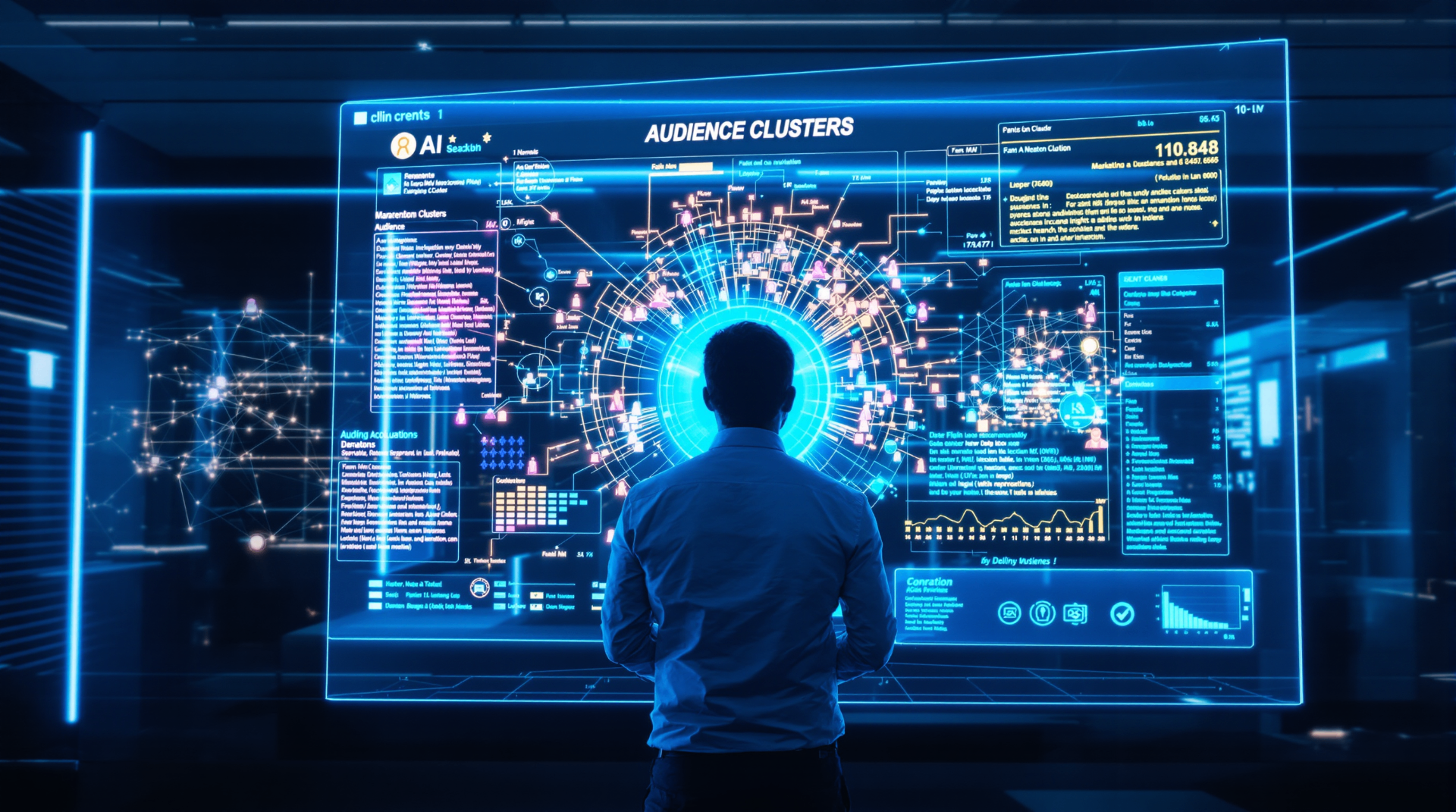
Traditional segmentation divides customers into broad categories based on demographics or simple behavioural metrics. AI enables marketers to move beyond these coarse groups by analysing thousands of signals at once. Unsupervised algorithms can discover micro-segments that share subtle patterns in behaviour, purchase history or preferences. For example, clustering techniques can identify a group of repeat buyers who respond well to weekday emails, or a cohort of occasional visitors who prefer video content.
Machine learning models also support predictive segmentation. Instead of grouping customers solely by past behaviour, AI can predict which segment a new prospect is likely to belong to based on limited data. This allows marketing teams to tailor messaging earlier in the customer journey. Because segments are updated continuously as more data arrives, campaigns remain relevant even as consumer habits change.
Smarter segmentation improves efficiency and effectiveness: budgets are allocated to the most promising audiences, creative assets are tailored to specific needs, and campaigns reach people who are more likely to engage. To avoid unintended bias, marketers should audit models regularly, ensure training data is representative and maintain transparency about how segments are created.
Continuous optimisation
AI excels at analysing complex data and making rapid adjustments. In marketing, this translates into continuous optimisation of creative content, bidding strategies and channel mix.
Dynamic creative optimisation. Algorithms test variations of images, headlines, colours and calls to action in real time. Based on engagement metrics, the system serves the best-performing creative to each segment or individual. This eliminates guesswork and reduces the need for manual A/B testing.
Budget and bid management. AI analyses historical performance across channels (search, social, display, email) and dynamically reallocates spend to maximise return on ad spend (ROAS). Automated bidding strategies in pay-per-click advertising adjust bids based on factors like device, location and time of day to capture high-intent traffic at lower cost.
Optimising customer journeys. Multi-armed bandit algorithms and reinforcement learning models determine which sequence of messages or offers leads to the highest conversion. For example, an ecommerce site might test whether a discount, loyalty points or free shipping encourages a visitor to complete a purchase.
By continuously learning from data, AI helps marketers respond to changes in customer behaviour, seasonal fluctuations or competitive activity faster than human analysts alone could manage. This agility is particularly valuable in fast-moving markets and when managing large portfolios of campaigns.

Personalisation at scale
The promise of AI-driven personalisation is delivering unique experiences to millions of customers without individual manual tailoring. Recommendation engines suggest products, content or services based on a user's past interactions and those of similar users. On ecommerce sites, AI may propose complementary items in a shopping cart; on streaming services, it suggests movies or songs aligned with a viewer's taste.
Generative AI models take personalisation further by crafting content itself. Email subject lines, product descriptions and ad copy can be generated to resonate with the interests of each recipient. Chatbots and virtual assistants offer conversational support that adapts to a customer's history and sentiment in real time. In mobile apps, AI adjusts navigation or offers based on user context, location and behaviour.
Achieving this level of personalisation requires a robust data infrastructure. Marketers must unify data from disparate sources, ensure compliance with privacy regulations, and implement consent management. Algorithms need to be monitored for fairness and quality, especially when recommendations influence sensitive decisions like financial offers or health advice. When done well, personalisation increases engagement, loyalty and lifetime value while reducing marketing waste.

Implementation considerations
Adopting AI in marketing is not just a technology purchase; it is an organisational change. To succeed:
Define clear objectives. Decide whether the goal is to improve conversion rates, reduce churn, increase customer lifetime value or something else. The use case determines the type of AI model and data needed.
Build a unified data foundation. Clean, consistent and integrated customer data is essential. Invest in data pipelines, governance and security to ensure reliability and trust.
Choose the right tools and partners. Whether buying off-the-shelf solutions or building custom models, evaluate vendors on their ability to integrate with your stack, provide transparency and support ethical use of data.
Start small, then scale. Pilot AI on a single campaign or channel to measure impact. Use those learnings to expand to other segments, channels or objectives.
Maintain human oversight. AI augments marketing teams but should not fully automate decisions. Humans should review and approve strategies, especially when they affect pricing, eligibility or other high-stakes outcomes.

Conclusion
AI is revolutionising marketing by enabling hyper-targeted segmentation, continuous optimisation and personalisation at scale. When applied responsibly, these technologies help brands deliver more relevant experiences, maximise ROI and build stronger customer relationships. The journey begins with clear goals, good data and a commitment to ethical use. By combining the strengths of data science and human creativity, marketers can harness AI to adapt to consumer needs and market conditions faster than ever before.