Human resources has historically relied on people to review CVs, interview candidates and manage employee satisfaction. In recent years, artificial intelligence has transformed these processes. Properly designed AI systems can reduce human bias, improve hiring decisions and help organisations retain top talent. However, they must be applied responsibly to avoid perpetuating discrimination or compromising privacy. This article examines how AI can be used in recruitment and retention, outlines best practices for fairness, and highlights ethical considerations.
Ready to implement AI?
Get a free audit to discover automation opportunities for your business.
Achieving bias-free hiring with AI
Bias in hiring is often subtle and unintentional. Managers might favour candidates with similar backgrounds or unintentionally overlook qualified applicants because of their name or alma mater. AI can help by focusing on skills and competencies rather than subjective attributes.
Screening and shortlisting
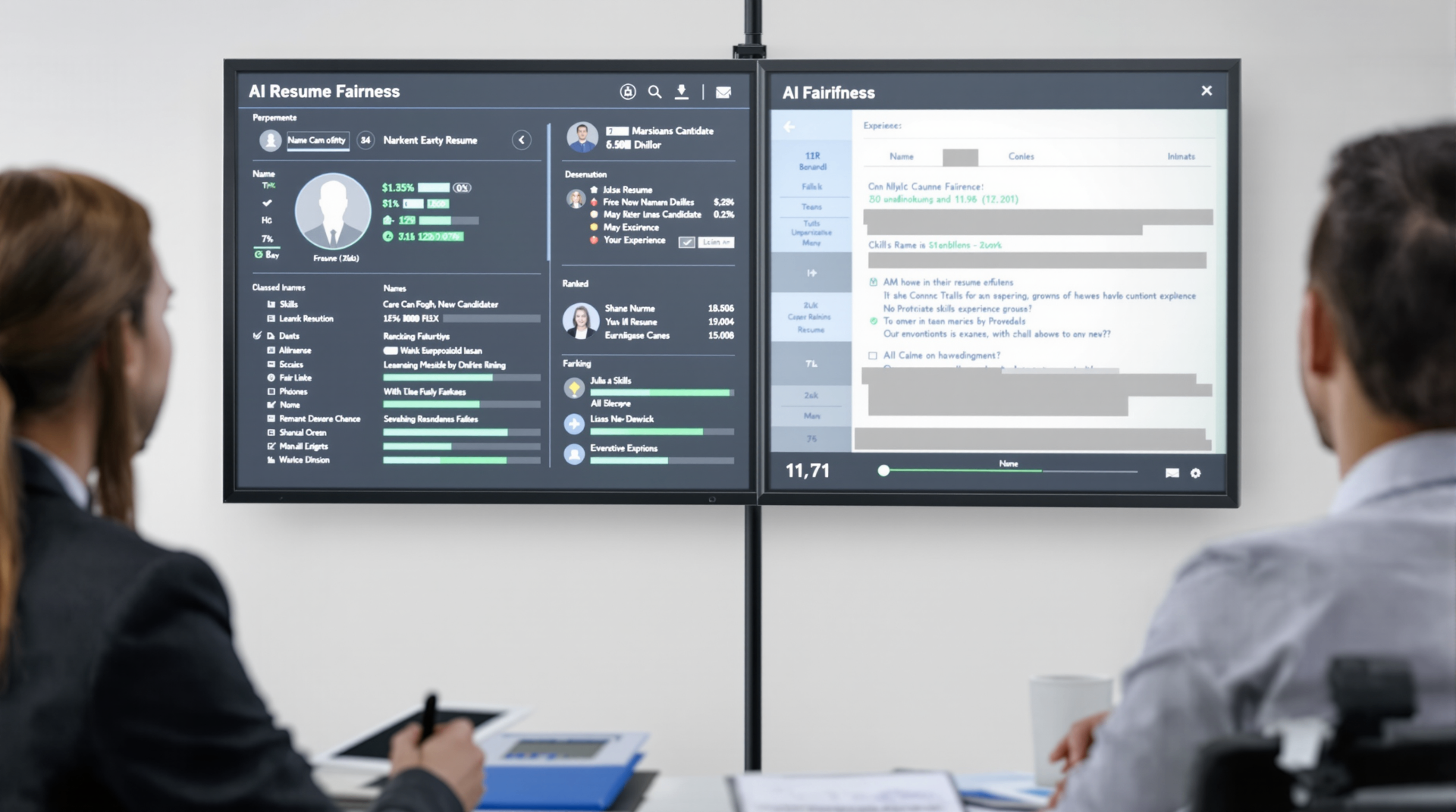
Automated resume screening tools use natural-language processing to parse CVs and rank candidates. By removing identifiers such as names, gender and age, these systems can prioritise objective criteria like relevant experience and education. To ensure fairness:
Train on diverse data. Models should be fine-tuned on datasets that reflect a wide range of candidates. This reduces the risk of learning historical biases.
Remove sensitive attributes. Exclude variables like race, gender and ethnicity to prevent the model from using them implicitly.
Monitor fairness metrics. Evaluate the model's recommendations across different demographic groups and adjust if disparities appear.
Keep humans in the loop. AI should assist recruiters rather than replace them. Human review provides context that algorithms may miss.
Interview and assessment
AI can also assist with structured interviews and assessments. Video-analysis tools can transcribe answers and highlight relevant keywords. Chatbots can conduct initial screening, asking standardised questions and scoring responses consistently. To avoid unfair outcomes:
Use transparent scoring criteria that align with job requirements. This ensures consistency and fairness across all candidates.
Avoid analysing facial expressions or tones, which may correlate with background or disability rather than job performance.
Inform candidates when AI is used and how their data will be handled. Transparency builds trust and ensures compliance.
Provide appeal mechanisms if applicants feel misjudged by automated assessments. This maintains fairness and accountability.

Personalised onboarding and learning
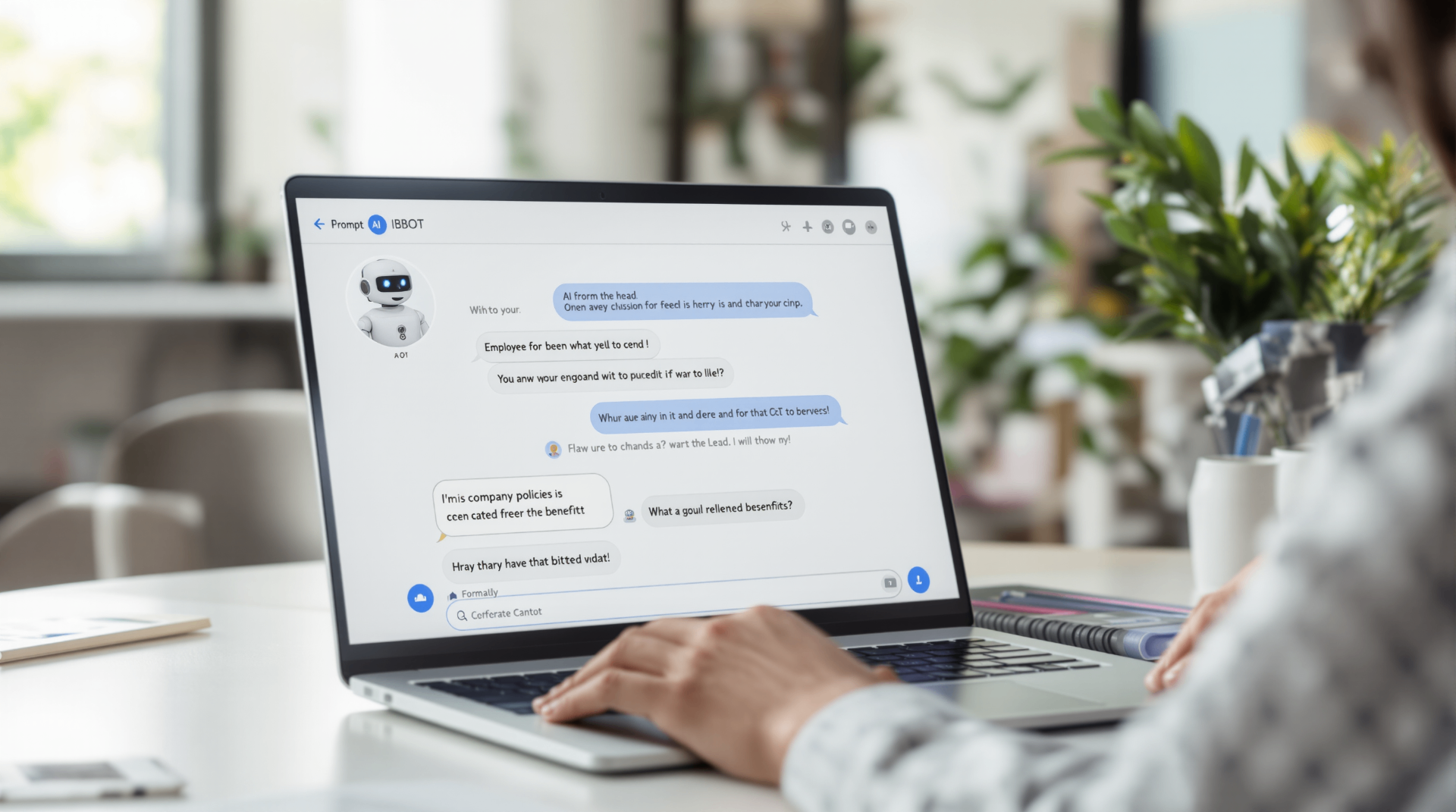
Once hired, employees benefit from AI-driven onboarding and training platforms. Chatbots can answer common questions about benefits or company policies. Recommendation algorithms suggest learning modules based on role, skills gaps and career goals. Adaptive learning paths adjust as employees progress, reducing time spent on irrelevant content. These tools free HR staff to focus on mentorship and culture building while improving employee engagement.
Predictive analytics for retention
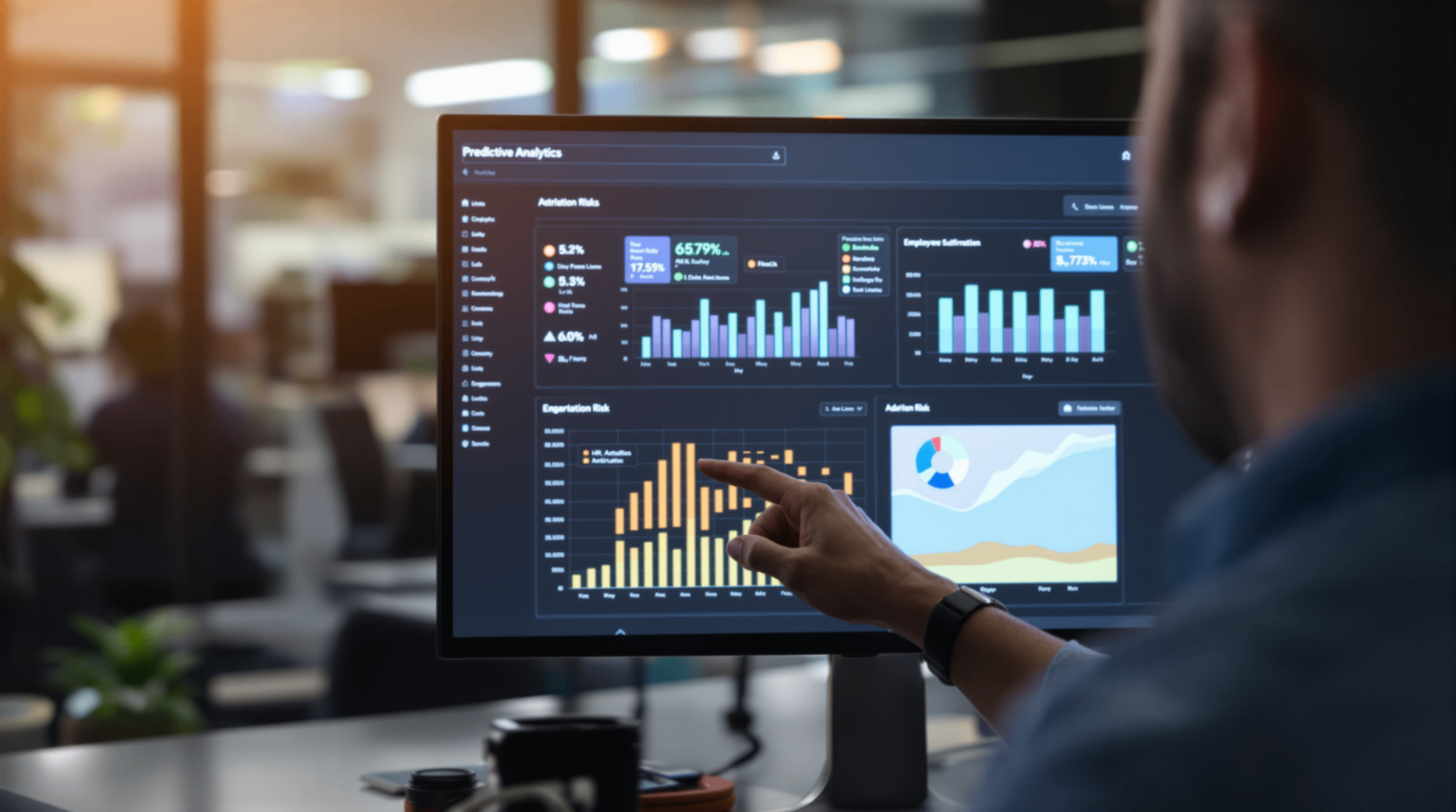
Retaining skilled employees is as important as hiring them. AI-powered people analytics provide early warnings when employees are likely to disengage or leave:
Attrition models. Machine-learning models analyse factors like tenure, performance, engagement survey responses, compensation and workload to predict flight risk. HR can intervene with development opportunities, recognition or workload adjustments.
Sentiment analysis. AI can scan anonymous surveys, feedback platforms and collaboration tools to gauge morale. Trends in sentiment help organisations address issues before they cause turnover.
Career pathing. Algorithms identify lateral moves or stretch assignments that match employees' skills and aspirations, keeping them motivated and reducing stagnation.
When using such analytics, it is crucial to protect privacy and avoid punitive use of predictions. Insights should support coaching, not surveillance.
Ethical considerations and best practices
Using AI in HR raises important ethical questions. To build trust and protect employees' rights:
Data privacy and security. Collect only necessary information, store it securely and comply with data-protection regulations. Provide transparency about what data is used and why.
Explainability. Be able to explain how the AI reaches its recommendations. This helps identify biases and increases acceptance among stakeholders.
Human oversight. Algorithms should support decision-makers, not replace them. Final hiring and retention decisions must be made by people, considering context and ethics.
Continuous monitoring. Regularly audit AI systems for disparate impact and update them as workforce demographics or business needs change.
Implementing AI responsibly in HR
For organisations looking to adopt AI in HR, a thoughtful approach is essential:
Define clear objectives. Identify the pain points: is the goal to reduce time to hire, improve diversity, or reduce turnover? Clear goals determine the right tools.
Gather quality data. Ensure training data is representative and free of historical bias. This may involve supplementing internal data with external sources.
Engage multidisciplinary teams. Involve HR professionals, data scientists, legal experts and ethicists to address technical, legal and cultural aspects.
Start small and iterate. Pilot AI tools on a subset of roles or departments. Measure outcomes, gather feedback, and refine before scaling.
Communicate with employees. Explain how AI is used in recruitment and retention, and provide channels for questions and concerns.
Conclusion
Artificial intelligence offers powerful tools to make hiring more equitable and help organisations retain valued employees. By focusing on objective criteria, providing personalised development and analysing engagement data, AI can complement HR teams and enable better decisions. However, these benefits come with responsibility. Companies must safeguard privacy, monitor for bias and maintain human judgement. When implemented thoughtfully, AI can transform HR from reactive administration into a proactive partner in building diverse, engaged and resilient workforces.